EDIT MODE — Click any text to edit · Ctrl+S to save file
S&S
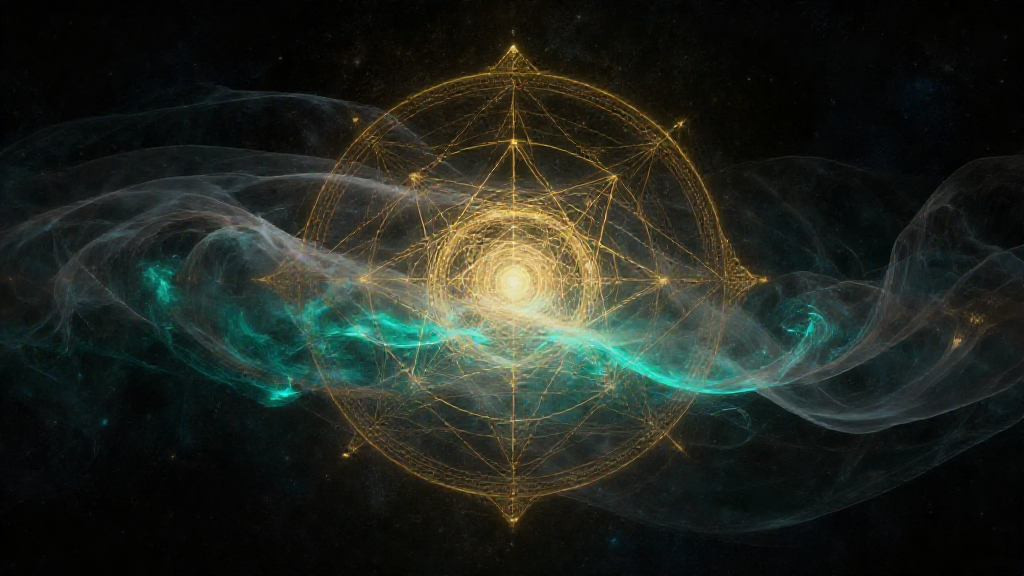
Golden sacred geometry and teal wave forms emerging from cosmic void

The Invisible
Architecture

Symbols & Systems — Meeting 02

01

Symbols compress.
But compress what?

Two disciplines discovered this independently.

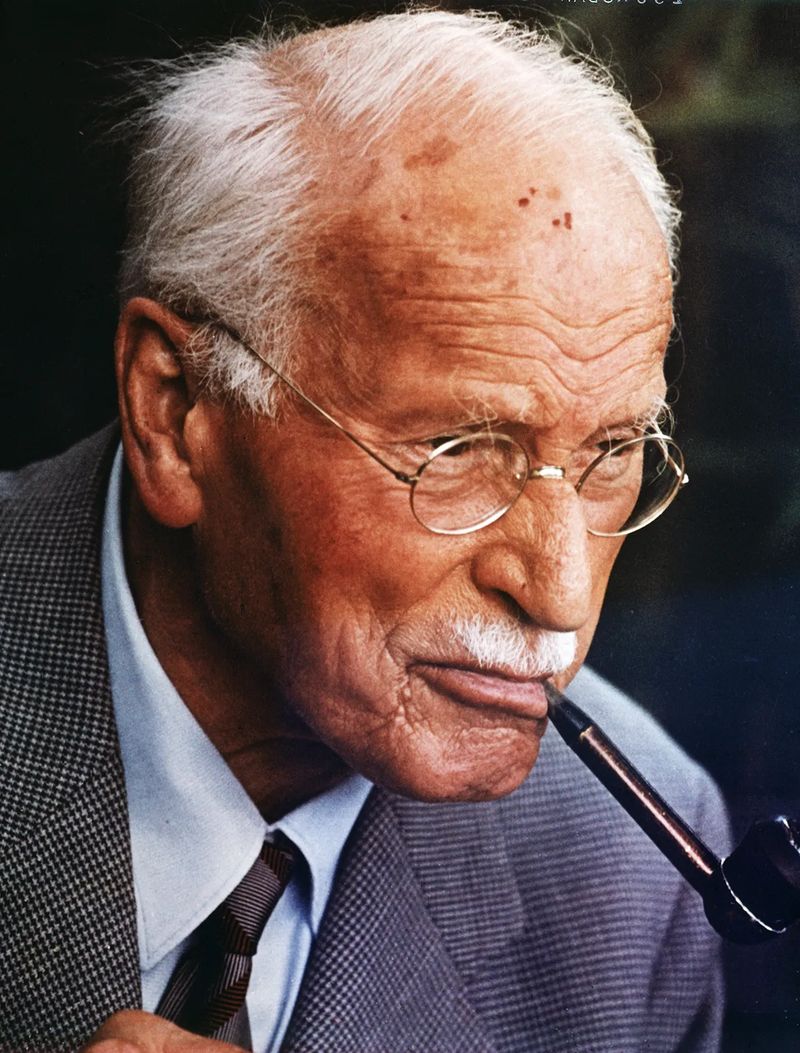
Carl Gustav Jung with pipe — colorized portrait
02

Invisible forms
that shape the mind

Jung: beneath individual thought lie archetypes — universal patterns every culture shares.
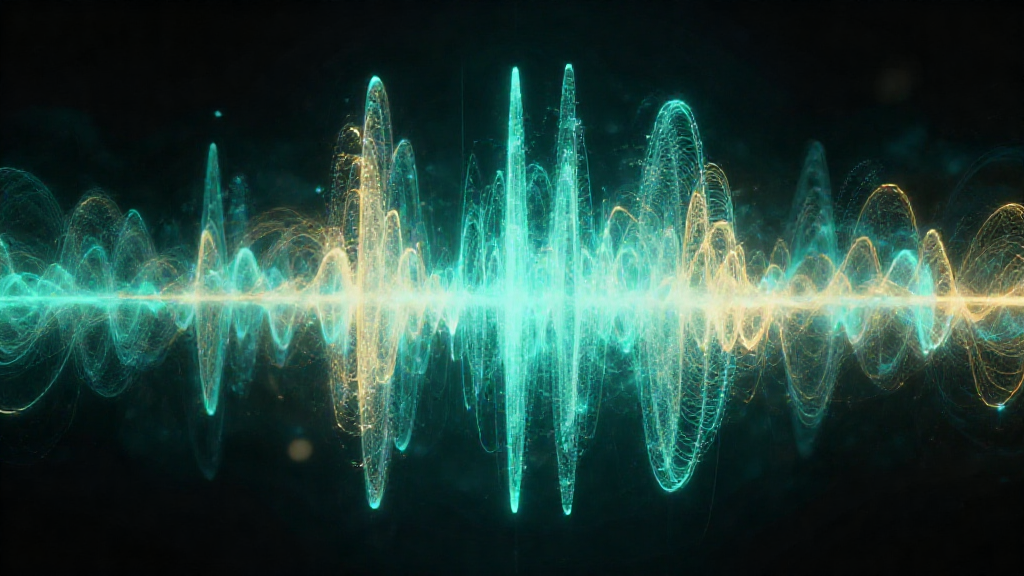
Teal and gold quantum wave visualization — probability fields in darkness
03

Invisible forms
that shape matter

The basis of material things is not material. Electrons are probability waves — information, not mass.
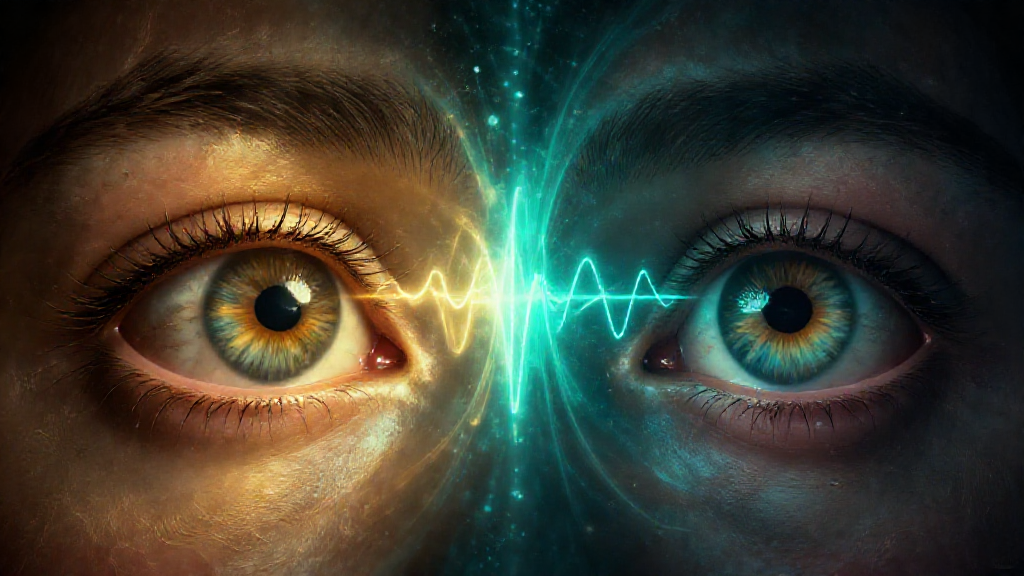
Two eyes — one gold, one teal — reflecting the same quantum wave pattern

Quantum physics is the
psychology of the universe

Psychology is the
physics of the mind

Ponte & Schäfer, Behavioral Sciences (2013)

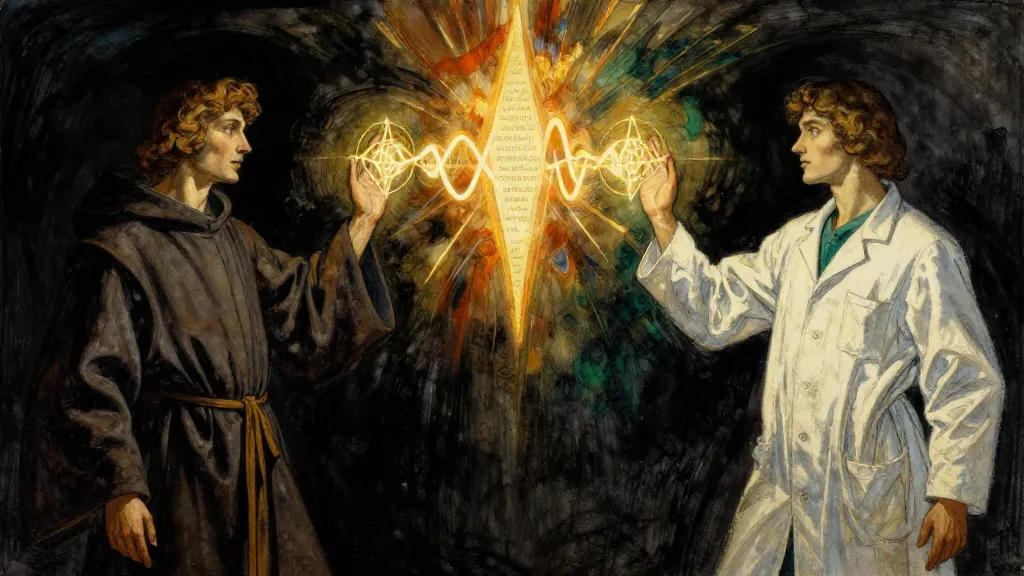
Monk and scientist reaching toward the same luminous form across centuries
05

Meister Eckhart · c. 1300 “The actualization of their
'virtual being'

Quantum Chemistry · c. 2000 “Empty forms that shape all matter:
'virtual states'

Same unusual term. No contact. Seven centuries apart.

06

The great
synchronicity

In thirteen years, every field independently abandoned the visible surface for hidden structure.

1900 Freud — psychoanalysis
Planck — quantum physics
1905 Einstein — relativity
Matisse — Fauvism
1907 Picasso — Cubism
Form over surface
1910 Schönberg — atonal music
Beyond tonal centre
1912 Kandinsky — abstraction
Pure inner necessity
1913 Kafka & Joyce
Interior as subject
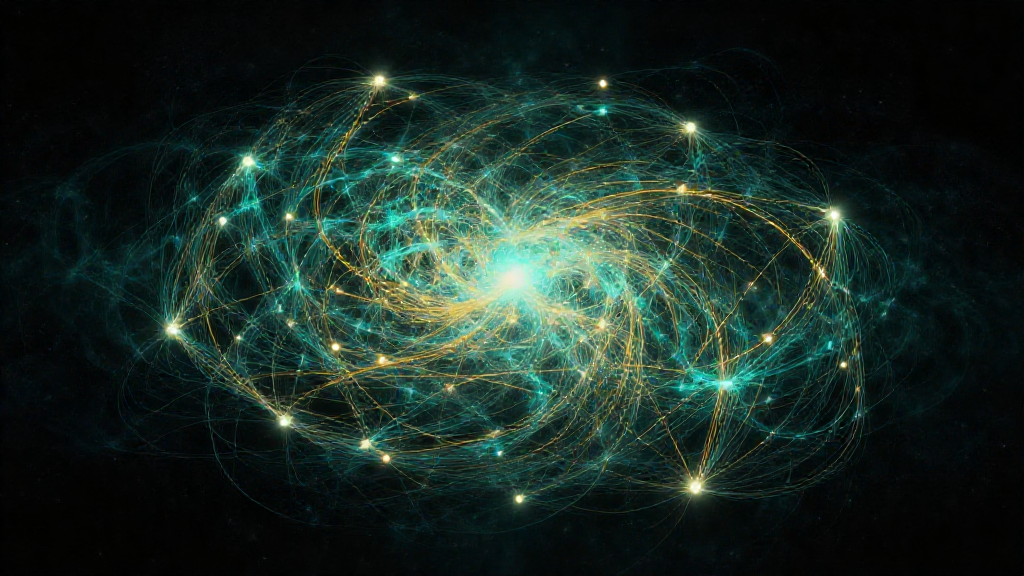
Cosmic web of golden and teal filaments connected across dark space
07

Unus Mundus

“Everything divided and different belongs to one and the same world.”

Jung

Bronze water pots in a circle, each reflecting the same golden sun
08

Many pots.
One sun.

Consciousness appears in countless minds — but there is only one consciousness.
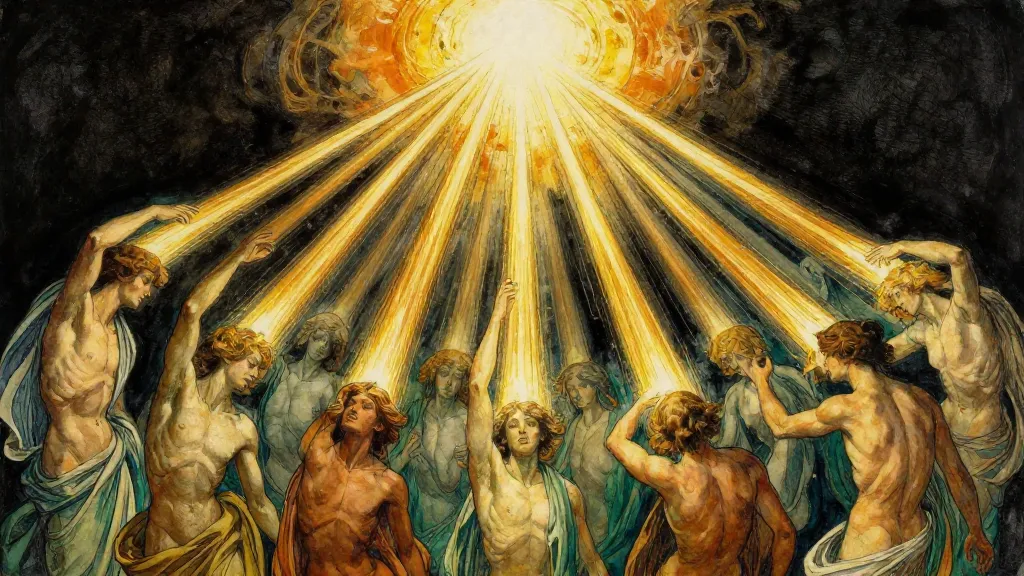
Figures dissolving upward into streams of golden light converging to a single point
09

Con-Scientia

Knowing together.

We say “our consciousness” — never “our consciousnesses.” The grammar has no plural.

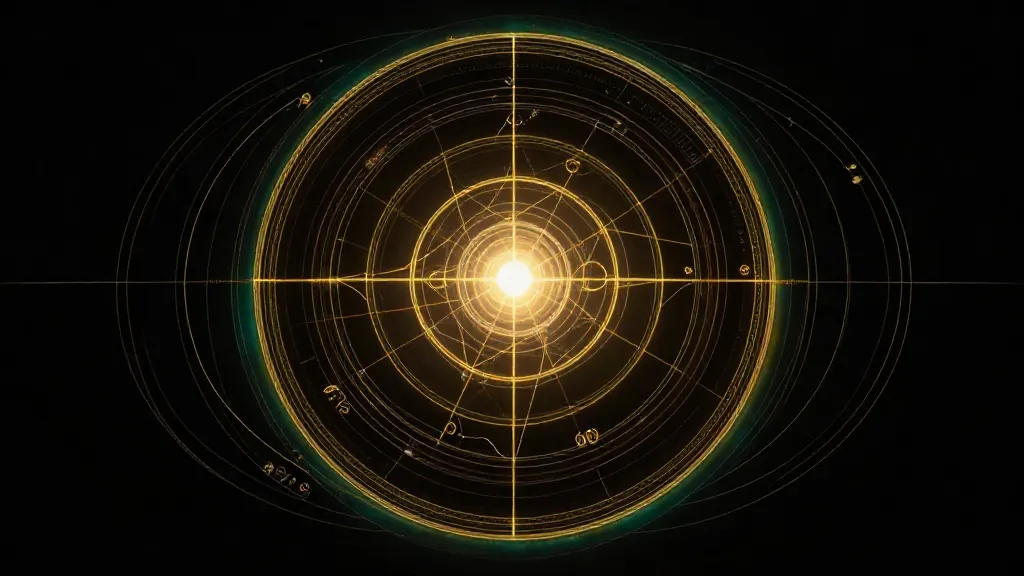
Concentric golden circles radiating from a central point into infinite dark space
10
“God is a circle whose centre is everywhere and circumference nowhere.”

Timaeus of Locri · 420–380 BCE

Twenty-four centuries before quantum nonlocality, the structure was already named.

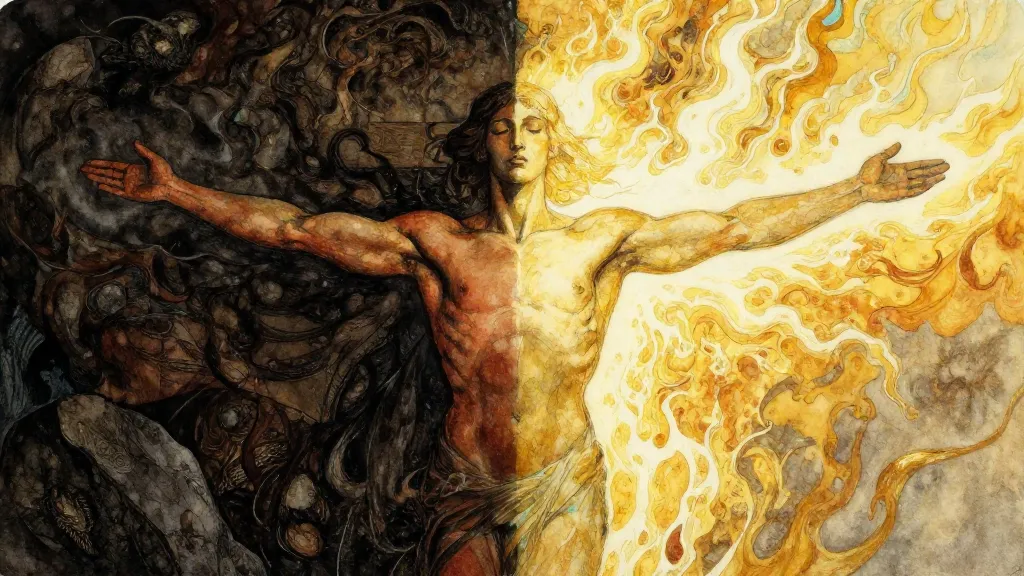
Figure split between dense dark matter and luminous golden spirit
11

Spiritualize matter

Materialize spirit

Jung saw the Philosopher’s Stone not as chemistry but as individuation — the work of making the invisible visible.

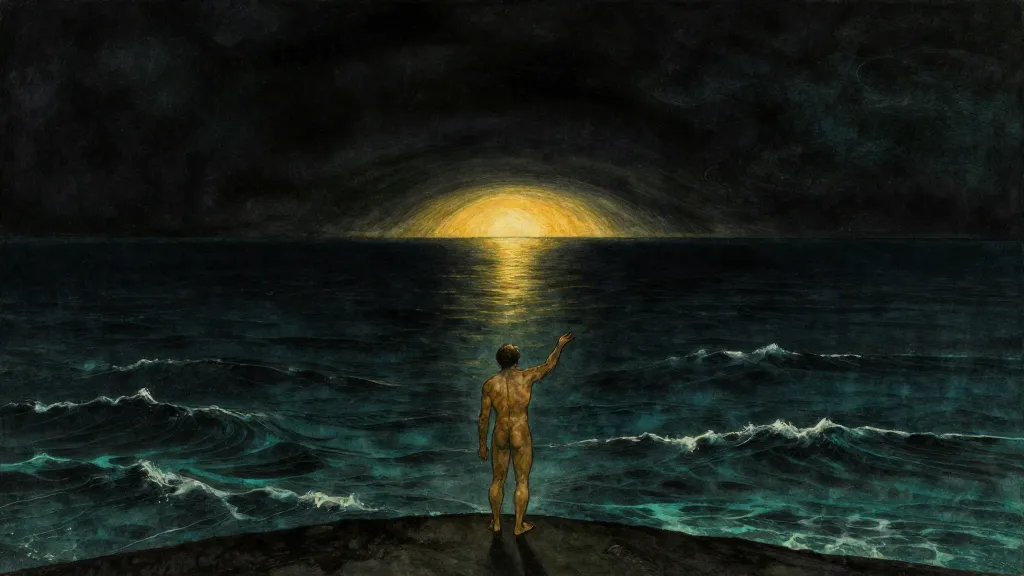
Solitary figure at the edge of a dark cosmic ocean reaching toward golden horizon light
12

Saudade

The cosmic homesickness.

First half of life: the ego separates. Second half: a longing to return to wholeness.

Campbell called it the hero’s journey. Jung called it individuation. The Portuguese have a single word.

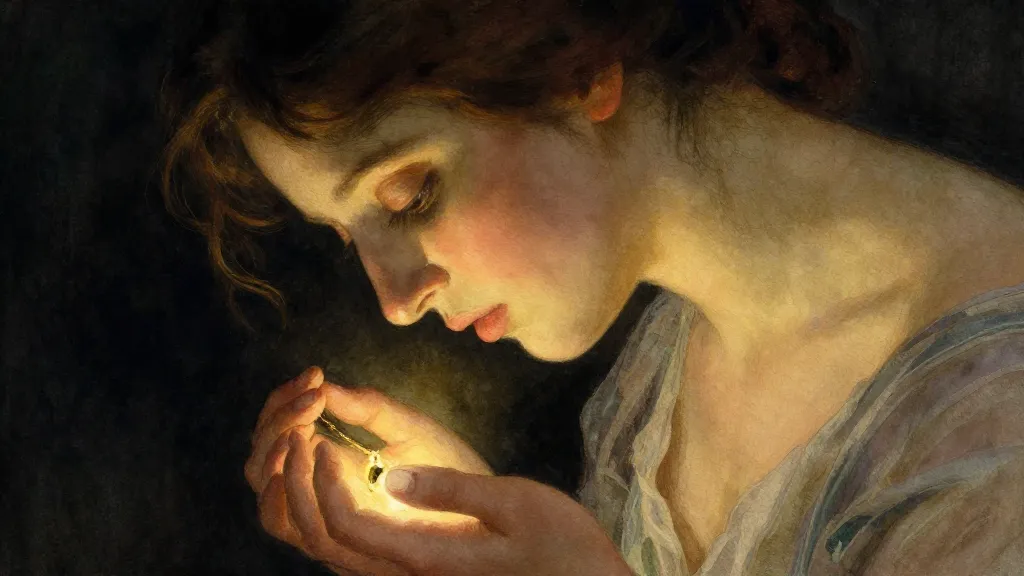
Figure discovering a glowing pendant at their throat, illuminated from below
13
“Discovering wholeness is like finding a necklace hanging on one’s neck — it has always been present, just overlooked.”

Sankara · via Forman (1998)

You do not produce it. You do not attain it. You remove what hid it.

Two hands reaching across a divide with golden threads weaving between them
14

Why symbols
still work

S&S reads patterns that are already there.

15

Evolution is not
adaptation to environment

Minds adapt to increasingly complex archetypal forms in cosmic potentiality.

Sacred geometry background

The pattern is older
than the proof.

SYMBOLSANDSYSTEMS.COM

By invitation

Appendix A

Key passages from the source

“That which produces effects within another reality must be termed a reality itself, so I feel as if we had no philosophical excuse for calling the unseen or mystical world unreal.”
William James, The Varieties of Religious Experiences (1904)
“The universe is of the nature of ‘a thought or sensation in a universal Mind’… the stuff of the world is mind-stuff.”
Arthur Eddington, The Nature of the Physical World (1929)
“The visible things are out of the oneness of the divine light” and their existence is due to “the actualization of their ‘virtual being’”.
Meister Eckhart (c. 1300) — centuries before quantum chemists coined the same term
“The main interest of my work is not concerned with the treatment of neurosis, but rather with the approach to the numinous. The approach to the numinous is the real therapy.”
C. G. Jung, cited in Jaffé (1989)

Appendix B

Deeper threads from the paper

Individuation as Re-Ligare. Jung understood the process of becoming whole as a religious impulse — “re-ligare” means “to reconnect”. The conscious experience of life becomes a mystical experience. In a quantum world, this search for wholeness has a physical basis.
Ponte & Schäfer §4, drawing on Jaffé
The water pots. Indian sages: fill many water pots and place them in the sun — you see the sun in each one, but there is only one sun. Similarly, consciousness appears in countless minds, but there is only one consciousness.
Ponte & Schäfer §7, drawing on Vedantic tradition

Appendix B (cont.)

Deeper threads from the paper

Perennial philosophy. Absolute truths appear again and again, with the same messages, through thousands of years, in different minds, different ages and different parts of the world. The Indian sages called this Sanatana Dharma. It is a special form of synchronicity — evidence that our minds are connected to a cosmic realm of thoughts.
Ponte & Schäfer §9
God needs man. “God is a contradiction in terms, therefore he needs man in order to be made One.” The Self requires the ego-personality in order to manifest itself — and the ego requires the Self as the origin of its life.
Jung to Erich Neumann, cited in Jaffé (1989)

Source

Full citation

Ponte DV, Schäfer L. Carl Gustav Jung, quantum physics and the spiritual mind: a mystical vision of the twenty-first century. Behav Sci (Basel). 2013 Nov 13;3(4):601–618. doi: 10.3390/bs3040601. PMID: 25379259; PMCID: PMC4217602.

“Quantum Physics is more than physics: it is a new form of mysticism, which suggests the interconnectedness of all things and beings and the connection of our minds with a cosmic mind.”
Ponte & Schäfer, from the Introduction
“God is a circle whose centre is everywhere and circumference nowhere.”
Timaeus of Locri (c. 420–380 BCE), cited by Ponte & Schäfer